
Detoxification from Plastics and Chemicals: What It Really Means (and What Actually Helps)
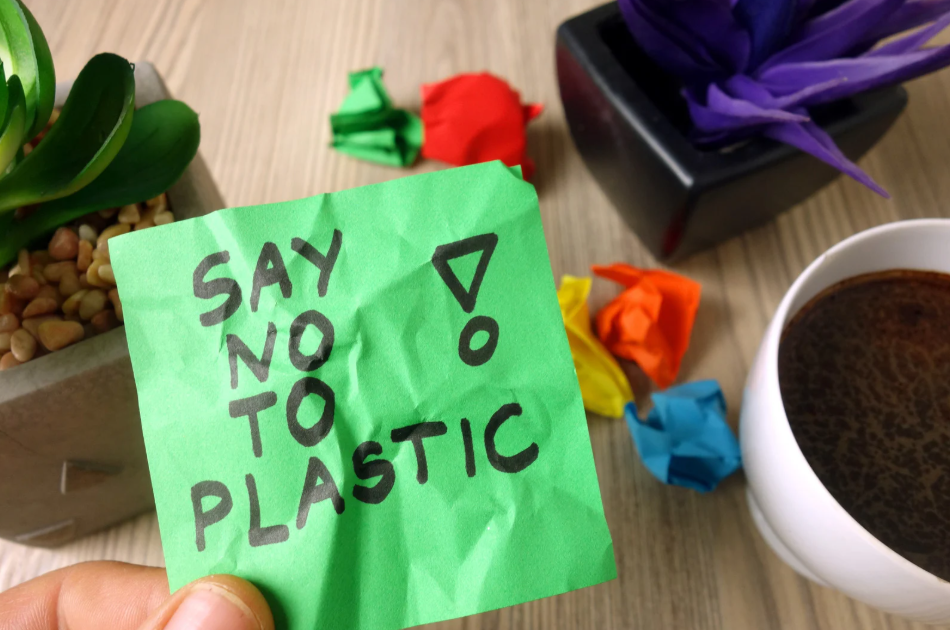
We live in a world wrapped in plastic. From food packaging and water bottles to cosmetics, cleaning products, and even clothing, synthetic chemicals are woven into everyday life. Over time, concerns have grown about how constant exposure to plastics and industrial chemicals may affect our health — and whether we can “detox” from them.

What Are Plastics and Chemical Toxins?
Plastics are made using a variety of chemical additives designed to make them flexible, durable, or heat-resistant. Some of the most commonly discussed include:
Bisphenols (BPA, BPS, BPF) – often used in food containers and can linings
Phthalates – used to soften plastics and found in fragrances, cosmetics, and vinyl
PFAS (“forever chemicals”) – used in nonstick cookware, stain-resistant fabrics, and food wrappers
Microplastics – tiny plastic particles now found in air, water, food, and even human blood
These substances can enter the body through ingestion, inhalation, or skin contact. Research suggests some may disrupt hormones, affect metabolism, or contribute to inflammation and auto-immune conditions when exposure is chronic.

What “Detoxification” Really Means
The liver, kidneys, lungs, gut, and skin work together every day to filter, break down, and eliminate unwanted substances. This system works well if it is allow to function properly and is not overwhelmed.
How can we help our body’s natural detox system work efficiently and effectively:
Reduce ongoing exposure
Support the body’s natural detox pathways by going to bed early on a empty stomach.
Avoid overwhelming the system with new toxins
If the body does get overwhelmed and symptoms and disease appear – then a detoxification process to help the body may be in order.
Where Plastics and Chemicals Sneak into Daily Life
Many exposures happen quietly, without us realizing it:
Heating food in plastic containers
Drinking from disposable water bottles
Using fragranced personal care products
Eating heavily packaged or processed foods
Wearing synthetic fabrics that shed microplastics
Using harsh household cleaners
The good news? Small changes can dramatically reduce overall exposure.

Practical Ways to Reduce Plastic and Chemical Load
1. Rethink Food Storage and Preparation
Use glass, stainless steel, or ceramic containers
Avoid microwaving food in plastic
Choose fresh or frozen foods over packaged ones when possible
Filter drinking water to reduce microplastics and chemical residues
2. Simplify Personal Care Products
Your skin absorbs what you put on it.
Choose fragrance-free or naturally scented products
Look for shorter ingredient lists
Avoid products containing “parfum,” phthalates, or parabens
3. Clean Smarter, Not Harder
Many household cleaners release volatile chemicals into the air.
Use vinegar, baking soda, and castile soap for everyday cleaning
Ventilate rooms well every day, especially while cleaning
Avoid aerosol sprays when possible
Supporting Your Body’s Natural Detox Systems

Nourish the Liver
The liver is the body’s detox manager.
Helpful foods include:
Leafy greens (spinach, kale, arugula)
Cruciferous vegetables (broccoli, cauliflower, cabbage)
Garlic, onions, and leeks
Fiber-rich foods like legumes (beans, peas, lentils), oats, and seeds
Fiber (which is found only in whole plant foods – whole grains, legumes, nuts, seeds, fruits, vegetables) is especially important — it helps bind toxins in the gut so they can be eliminated rather than reabsorbed.
Hydration is Important
Water supports kidney function and waste removal. Aim for steady hydration throughout the day rather than large amounts all at once.
Sweat and Movement
Exercise improves circulation and supports detox pathways through sweat and respiration. Gentle activities like walking or cycling are just as effective as intense workouts.

Sleep Is Non-Negotiable
During deep sleep, the brain activates its own cleaning system (the glymphatic system). Late sleep, going to bed with a full stomach, and poor or disrupted sleep impair detoxification and hormone balance.
What About Detox Teas, Cleanses, and Supplements?
No supplement can compensate for ongoing high exposure to toxins. While a detox program may be necessary to help decongest our detoxification organs, a moment in time detox will fix nothing if nothing changes in the lifestyle; the organs will just quickly become overwhelmed again. It takes time and conscious awareness. Remember, sickness and disease are an effort of nature to free itself from the violations of the Laws of Health – The Ten Essentials for Health™.
Remember, Progress over Perfection:
Aim for:
Fewer plastic touchpoints
Cleaner indoor air
More whole foods
A body supported by rest, hydration, and nourishment
Over time, these habits lower the burden on your detox systems and support overall health.
Detoxification isn’t about fear or extreme restriction. It’s about awareness, smarter choices, and cooperating with God and the incredible ability He has put within the body to protect and heal when given the right support.
If you are feeling your body is overwhelmed and is needing some detoxification help, then join me for our Energize and Thrive Virtual Health Retreat to experience some life-reviving, natural detoxification so you can start living the abundant life and health God intended for you to live:
Energize and Thrive: A Virtual Retreat for Vibrant Living!
Blue Skies,
Dana

Dana West, RDN, LD thrives on helping her amazing clients get a new lease on life by embracing health and conquering disease, one step at a time, so they can start living with renewed energy and enthusiasm, doing all the things they love to do again.
You can get a new lease on life too, in her upcoming Energize and Thrive: A Virtual Retreat for Vibrant Living.
If you’re an individual in serious overwhelm with your health, lacking energy and experiencing fatigue and poor sleep, this retreat will have you reclaiming your life and thriving in all the things you love again.
Wanna come? Details here!
798 Madison 8645
Huntsville, AR 72740
479-363-6585


Comments